
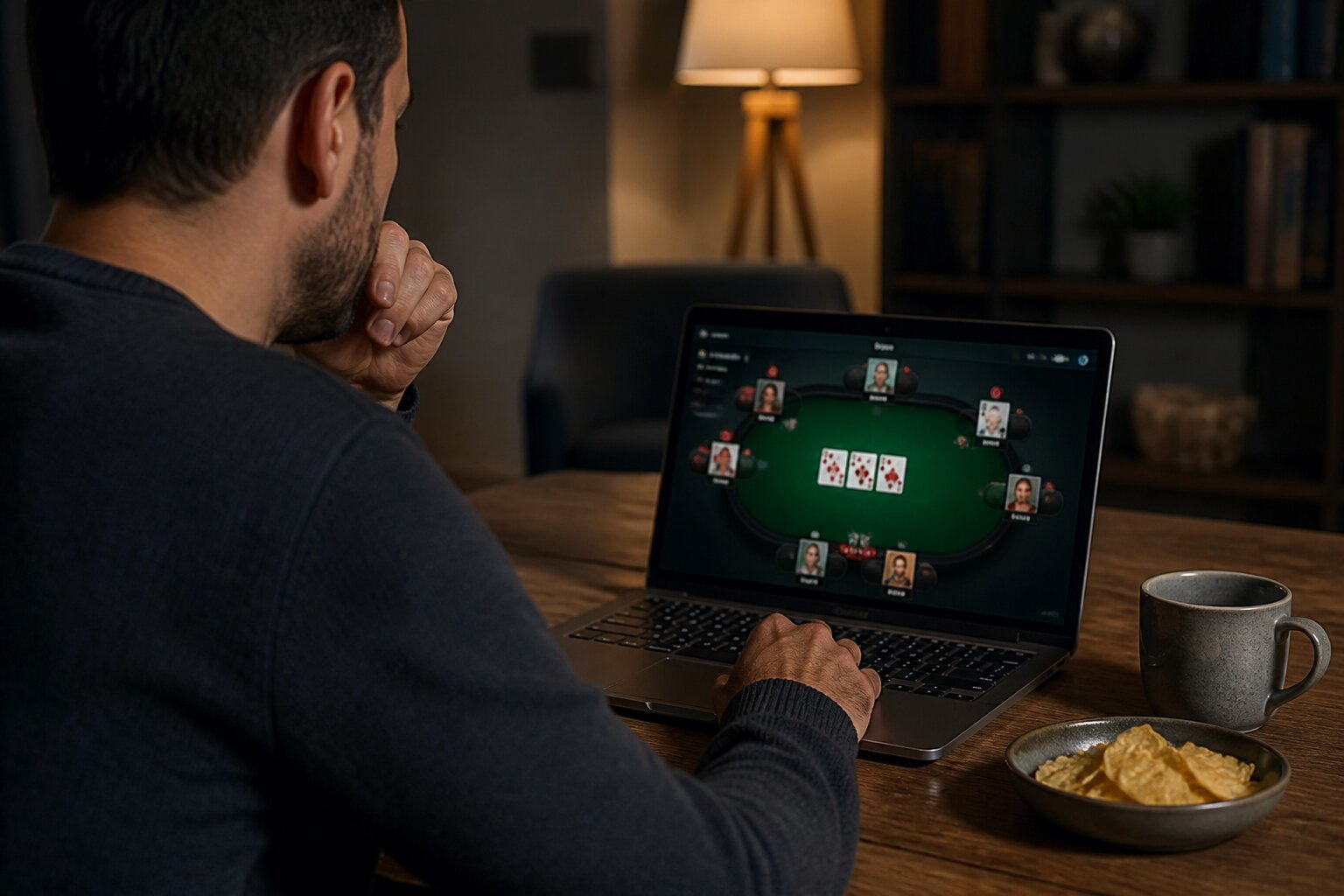
Many people who play poker online wonder how much access poker sites actually have to their devices. If you're playing through a web browser rather than downloaded software, it's understandable to have questions about what operators can see, what information they collect, and how your privacy is protected.
This article explains how online poker platforms work, the types of data they can access, and whether browser-based games differ from downloadable software in terms of privacy and security. It also addresses some common misconceptions about online poker surveillance, outlines practical steps you can take to protect your personal information, and explains what to do if you suspect unfair play.
By understanding how poker sites operate, you can make more informed decisions when choosing where and how to play.
Can Online Poker Operators Access Your Device or Screen?
Regulated online poker operators are not able to view your screen, files, or other content on your device. UK Gambling Commission (UKGC) rules require strong boundaries around player privacy, and operators’ systems are not designed to reach into a device’s apps, photos or personal folders.
In practice, this means the operator only receives the information needed to run games and manage accounts: session activity, balance movements, and game records. These details allow the operator to administer play, verify transactions, and investigate disputes, but they do not provide a window into other parts of your device.
Operators must also keep their systems and processes transparent and auditable. Independent testing and regulatory oversight ensure that software cannot be used to intrude on a player’s personal device.
Understanding How Online Poker Software Works
Online poker platforms deliver games either through a web browser or a dedicated application, and the underlying principles are similar for both. The dealing and game mechanics are governed by certified systems that produce reproducible, auditable results under regulatory standards.
Random number generators (RNGs) determine card distribution within the controlled environment of the game server. Encryption protects account details and financial transactions, preventing unauthorised access to sensitive information. Regular third-party audits and compliance checks are carried out to confirm that games and financial controls meet statutory requirements.
These technical safeguards protect both fairness and privacy: the operator manages game state and player lists, but not the contents of players’ devices.
What Data Do Poker Sites Collect From Players?
Operators collect the minimum personal and transactional information required for account management, regulatory compliance and security. Typical items are identity and contact details supplied at registration, evidence of age, and transaction records linked to deposits and withdrawals.
During play, operators log session timestamps, game outcomes, bet histories and other activity necessary for dispute resolution and fraud prevention. This data supports processes such as anti-money laundering checks and account verification, and is retained and handled in line with UK data protection law and GDPR.
Where device-level information is recorded, it tends to be non-personal metadata such as browser type, IP address and session identifiers, used to protect accounts and prevent abuse rather than to invade privacy.
Is It Safe To Play Poker Online Without Downloading Software?
Browser-based poker can be safe when offered by a regulated operator. Licensed operators apply the same encryption, audit trails and account controls to web applications as they do to downloadable clients, and security testing is part of regulatory compliance. Web-based platforms also typically use secure connections and server-side protections to keep game integrity and player funds protected.
That said, a safe browser session still depends on basic precautions. These are straightforward measures anyone should take when playing or transacting online:
- using an up-to-date browser that receives security patches
- ensuring the poker website is genuine and licensed, for example by checking the operator’s licence details
- keeping the operating system and any security software current
Many sites also offer additional account protections such as strong password requirements and two-factor authentication, which you should enable where available. These steps reduce the risk of malware or credential theft that could compromise an account, but they are routine digital hygiene rather than special requirements for poker.
Do Browser-Based Poker Games Protect Your Privacy?
Yes—browser-based poker games typically use secure connections and privacy policies that explain what is gathered and why. Encryption of data in transit and at rest prevents unauthorised access to account details, and site privacy statements describe retention and disclosure practices.
Reading the privacy policy gives a clear view of how personal data is treated and shared, for example with fraud prevention services or regulators. Beyond relying on the operator’s controls, users should limit permissions granted in the browser and avoid sharing account credentials.
If you want to be extra cautious, check the site’s audit and licensing information, which is usually available in the legal or help sections.
Common Myths About Online Poker Surveillance
There are a number of persistent myths about what poker platforms can do:
- Sites cannot view your screen or access files on your device.
- Web-based poker does not enable webcam or microphone access unless you explicitly join a table that offers video or voice and you grant permission.
- Browsing history and private conversations are not monitored by the operator; only gameplay and account activity are recorded for the stated purposes.
Understanding these points helps separate realistic risks—such as account compromise—from unfounded fears about surveillance.
Before moving on, consider whether any of those myths have shaped how you use poker sites; clarifying that can change how you approach privacy settings and account security.
How To Safeguard Your Privacy When Playing Poker Online
Protective practices are straightforward and align with general online security. Use a strong, unique password for your poker account and enable any available account protections such as two-factor authentication. Keep software up to date and avoid using shared or public devices for access.
Privacy settings in your browser and device can limit what data is exposed, and logging out after a session reduces the chance of unauthorised access from the same machine. Operators normally provide tools for deposit limits and account controls; these also support safer play by reducing the impact of compromised credentials.
If you need support, operators provide help services and links to external organisations that offer confidential advice and assistance where appropriate.
What Should You Do If You Suspect Unfair Play?
Concerns about unfair play should be raised promptly so they can be assessed against the game logs and audit records operators maintain. Start by contacting the site’s support team with clear information about what you noticed—dates, times and any relevant screenshots or hand histories are useful.
Operators investigate reports under regulatory guidance, reviewing game records and player behaviour to determine whether rules have been breached. If the initial response is unsatisfactory, the operator’s formal dispute procedure and the option of independent adjudication provide further routes to resolution.
Timely reporting helps protect all players and ensures that any irregularities are addressed with the available technical and regulatory tools.
Final statement: When you understand what operators can and cannot access and take a few sensible precautions, playing poker online without a download can be both practical and secure.
**The information provided in this blog is intended for educational purposes and should not be construed as betting advice or a guarantee of success. Always gamble responsibly.