
Thinking of playing the Health Lottery? Whether you’ve never tried it before or usually enter draws online, you may be wondering if you can simply buy a ticket from a local shop.
With several ways to play now available, this guide explains how to buy Health Lottery tickets in person, what to expect at the counter, and some practical tips to make the process straightforward.
Read on to find where tickets are sold, what you’ll need, and how checking results and claiming prizes works.
Where Can You Find Health Lottery Tickets in the UK?
Health Lottery tickets are sold across many towns and cities, so it’s often possible to buy one while you’re out running errands. Typical outlets include local newsagents, convenience stores, small and medium supermarkets, and some petrol station shops. Availability varies by area because each retailer must choose to participate and hold a licence.
If you’re unsure whether a particular shop sells tickets, look for the lottery terminal or the Health Lottery branding at the counter, or simply ask a member of staff. In busier high streets there tend to be several options, while rural areas may have fewer points of sale. Next, we’ll explain exactly what happens when you make a purchase at one of these retailers.
How to Buy Health Lottery Tickets Over the Counter
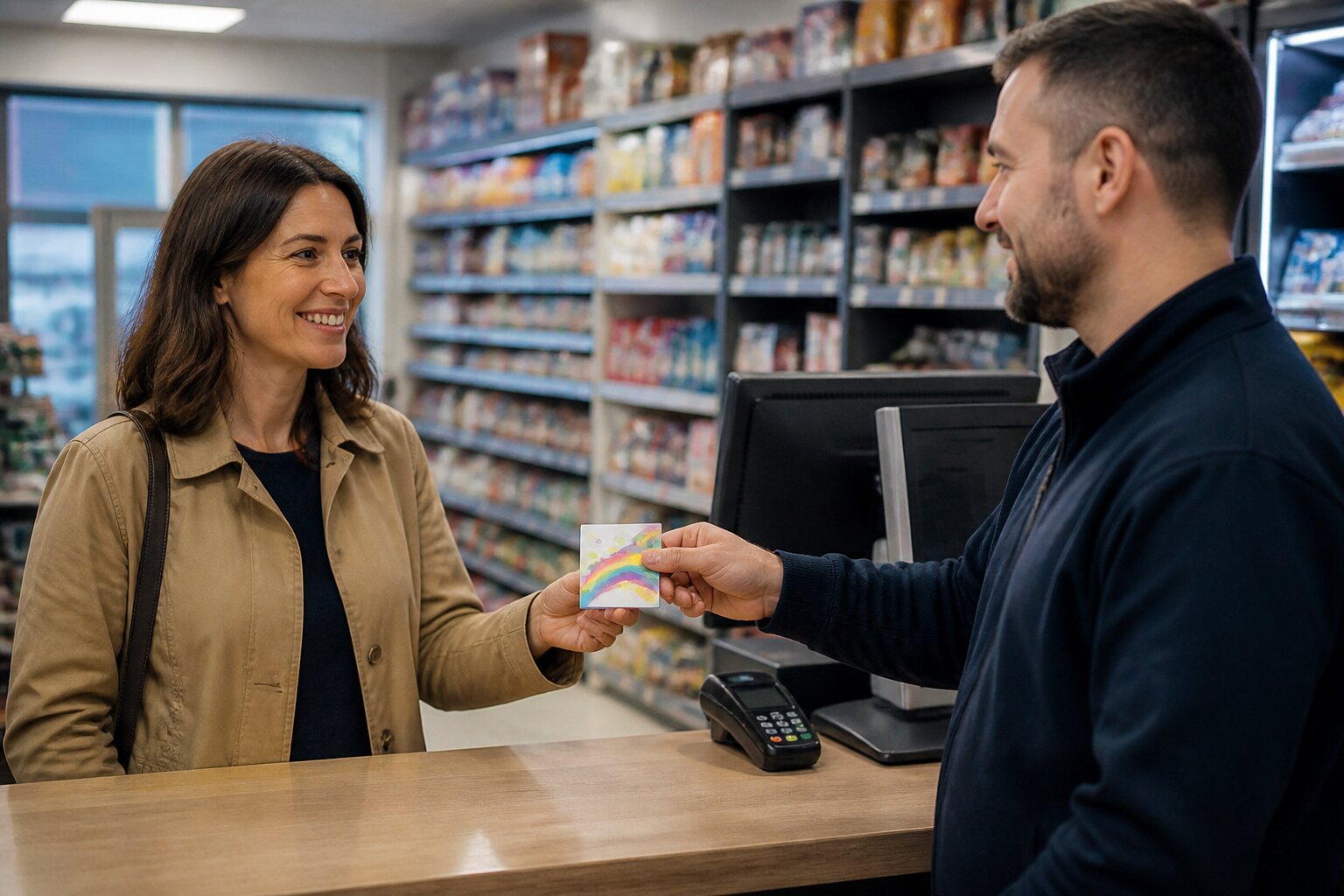
The in-store purchase is simple and familiar to many. When you ask to play, the retailer will give you a play slip to choose numbers or a Lucky Dip for a random selection. Hand your completed slip and payment to the cashier, who will process the transaction and print a physical ticket.
Before you leave the shop, check the ticket to confirm the numbers, the draw date and the amount paid. Keep the ticket safe: it is the only proof of your entry if you bought in person. The next section outlines the identification and age checks that may take place during a purchase.
What Do You Need to Buy a Ticket in Store?
You must be at least 18 to buy a Health Lottery ticket. Retailers commonly ask for ID if you look under 25, and they are entitled to refuse a sale if you cannot produce acceptable proof of age.
Acceptable proof of age includes a passport, driving licence, or a PASS accredited proof of age card. Retailers may also reasonably refuse a sale if the ID appears to be altered, forged, or otherwise unreliable.
These checks are carried out to ensure the sale complies with the law and that under‑18s are protected. They form part of responsible retailing and help keep the lottery safe for everyone.
Once the retailer is satisfied with your age verification, you will be able to pay for your ticket using the payment methods they accept. Payment options vary between shops and may include cash, debit or contactless card, so check with the retailer if you are unsure.
Payment Methods Accepted at Retailers
Most shops accept cash, and many also take debit cards, contactless payments or mobile wallets where their tills support those options. Chip and PIN is still widely used for card payments, and contactless or mobile wallet transactions are often accepted for smaller purchases provided the retailer's terminal is enabled for them. Some smaller shops remain cash-only, so it is sensible to check beforehand if you plan to use a non-cash method.
Certain retailers may have minimum card spend limits or may prefer cash for very small purchases, while others might impose contactless limits or require a PIN for higher value transactions. Payment terminals can vary between stores, so if you have a particular preference it can help to ask ahead or carry a backup method.
Having the right payment ready speeds up the purchase and avoids having to come back later. With payment settled, the next topic explains who is eligible to buy tickets beyond the age check.
Who Can Buy Health Lottery Tickets?
Only people aged 18 or over are permitted to purchase Health Lottery tickets, and retailers will enforce this requirement. It is an offence to buy tickets on behalf of anyone under 18, so staff may ask for proof of age before a sale is completed.
In addition, purchases are intended for residents in eligible parts of the UK; availability can differ between regions. If you are unsure whether tickets are sold in your area, check with local retailers or the Health Lottery's official information for the latest guidance.
These rules are in place to ensure play is legal and to protect younger people. They also help ensure compliance with licensing and regulatory requirements designed to promote safe and responsible gambling.
If you meet those requirements, a retail purchase is a straightforward way to enter a draw. That choice of how to play is explored in the next section.
Why Choose Retail Purchase Over Online Options?
Buying in person suits players who prefer a physical ticket and the familiarity of a shop visit. It’s convenient when combined with other errands and avoids having to register online or store details in an account. Holding a paper ticket also gives a visible record of the entry.
Conversely, online play stores entries in an account so there’s no risk of losing a ticket. The best option depends on personal preference and how comfortable someone is with digital services. If you keep a physical ticket, the following section explains how to confirm whether it contains a winning entry.
How to Check Health Lottery Results in Shops
Many retailers display the latest winning numbers on noticeboards or can print a results slip from the terminal on request. Staff can often check a ticket against the draw using the terminal, though practices vary between shops. Some retailers will perform a quick scan and confirm whether a ticket is a winner, while others may simply point customers to official sources for verification.
If you ask staff to check a ticket, bear in mind terminals may only show basic information and might not print a full breakdown of prize tiers. Always keep your ticket safe and present it for checking, as staff will normally need to see the original ticket to confirm any result. Retailers may also be limited in confirming larger prizes and could advise you to contact official Health Lottery channels for matters requiring full validation.
For final confirmation it is advisable to consult the Health Lottery’s official results page or reputable media outlets; these will have the definitive list of winning numbers and full prize information. Official sources will also note draw dates and any relevant terms, which helps avoid confusion if there have been recent schedule changes. If you do have a winning ticket, the next part covers how claims are handled in retail locations.
Common Questions About In-Store Health Lottery Purchases
There are a few practical points that come up regularly when buying in shops, from claiming small prizes to differences versus online play.
Can You Claim Prizes at Retailers?
Smaller prizes can usually be paid out directly by the shop that sold the ticket. For larger amounts, the retailer will outline the steps to claim through the lottery operator, which may involve completing paperwork and identity verification. The operator will set out the timeframes and any documentation required, and will provide clear guidance on how the claim is processed.
If a substantial prize is involved, the operator or the retailer can advise on whether you need to contact them first, where to send the ticket and what forms to expect. It is sensible to keep the ticket safe and to note any claim instructions printed on it, as these can speed up the process.
Do Retailers Charge Extra Fees?
Retailers generally do not add extra charges when selling Health Lottery tickets; the ticket price reflects the advertised cost. Any handling or administrative processes for larger prize claims are managed by the lottery operator rather than the shop, so customers should not normally expect additional fees at the point of sale.
If you are unsure about any potential charges or the retailer’s role in a claim, ask the till staff or consult the lottery operator’s published terms. That way you can be clear about who to contact and what, if anything, you may need to provide.
Are There Differences Between Shops and Online Tickets?
A physical ticket is required to claim in-store wins, so safekeeping is important. If a paper ticket is lost or damaged, proving ownership can take longer, so storing it somewhere safe is wise. Online entries are stored digitally and remove the risk of a lost ticket, which can make claiming straightforward for online players.
The choice comes down to whether having a paper ticket is preferred or whether digital storage suits someone better. Consider convenience, how you plan to keep records and any personal preference for handling tickets. Now let us cover practical advice about keeping play within safe limits.
Keeping play within safe limits is an important part of gambling responsibly. Set a budget for how much you can afford to spend and stick to it, avoid chasing losses and be mindful of how often you play. If you have concerns about your play, the operator and independent support services offer tools and advice to help manage gambling activity.
Responsible Gambling When Buying Health Lottery Tickets
Keeping play controlled and affordable makes the activity more sustainable. Consider setting a fixed weekly or monthly amount you can comfortably spend for entertainment, and stick to it. Treat the cost like any other leisure purchase so it fits within ordinary household budgeting.
Understanding odds and prize structures helps set realistic expectations about outcomes without suggesting any reliance on chance. If gambling ever begins to cause stress, financial strain, or difficulty in day-to-day life, confidential support is available through specialist organisations that offer guidance and tools to manage behaviour.
Playing within personal limits and seeking help when needed ensures the Health Lottery remains an occasional form of entertainment rather than a problem.
**The information provided in this blog is intended for educational purposes and should not be construed as betting advice or a guarantee of success. Always gamble responsibly.