
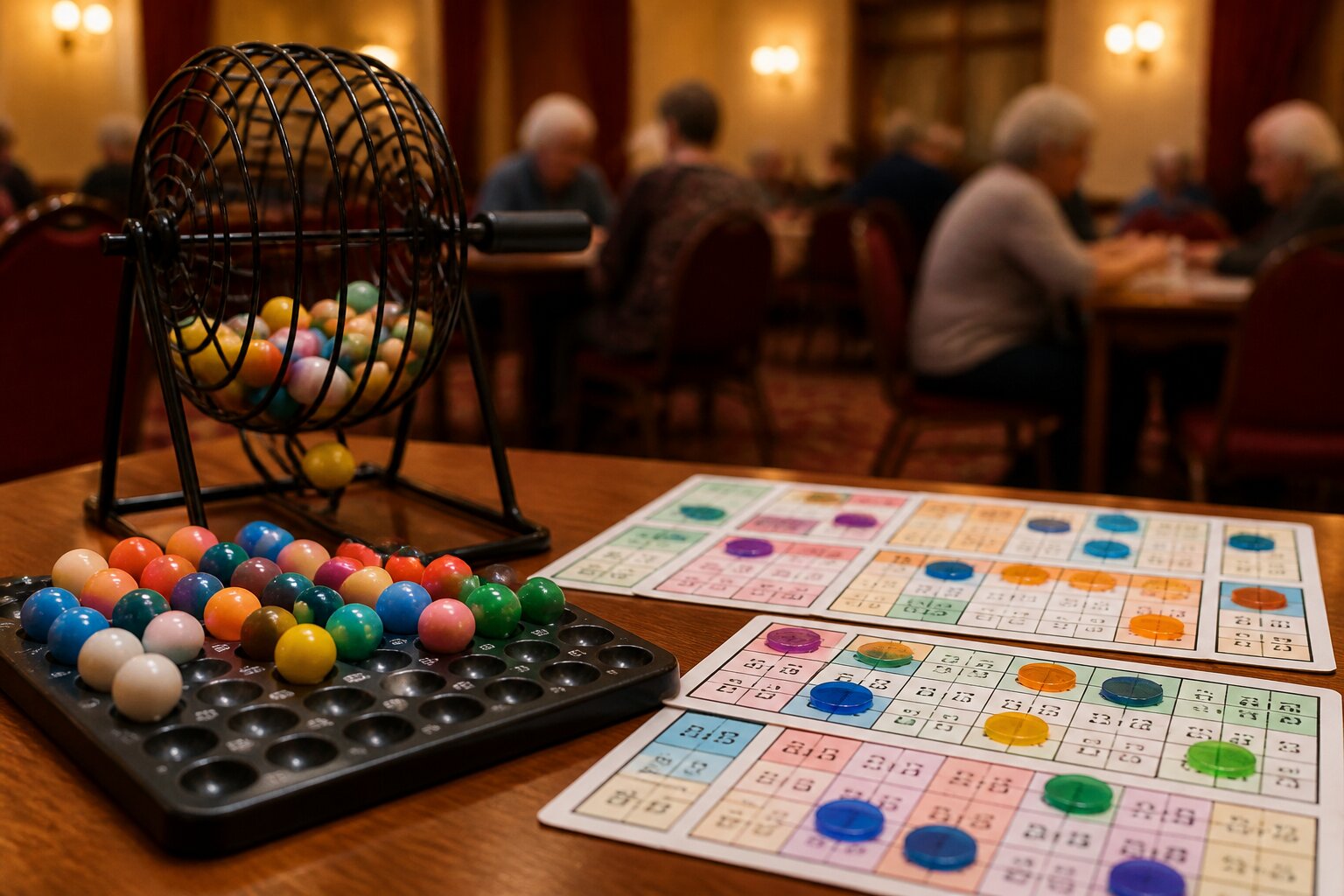
Bingo has come a long way from community halls and seaside arcades to widely available online rooms. Today there are many ways to play, with formats that change the pace, patterns and prize structures to suit different tastes.
Whether you prefer the steady rhythm of a traditional game or the quick hits of a modern twist, there’s a version that fits your style. Read on to explore each format in detail and find what will keep you entertained.
Understanding the Basics: What Is Bingo?
Bingo centres on numbered tickets and a sequence of randomly drawn numbers. Players mark matching numbers on their tickets as the calls are made, aiming to complete a pre-defined pattern to win. Tickets come in different layouts depending on the format, and the pattern required for a win varies by game.
Common winning patterns include one horizontal line, two horizontal lines and a Full House, where every number on the ticket is marked. In many games, wins are verified automatically online; in halls, they are confirmed by a caller or an attendant. Practical terms to know are dabber, the marker used in halls, and caller, the person who announces numbers.
Numbers are drawn randomly and outcomes follow the probabilities inherent to the format being played. Systems and controls are used to keep play fair and transparent. With that foundation in mind, the next section describes the main classic formats and how their ticket layouts shape gameplay.
Classic Bingo Game Formats
Classic formats differ mainly in ticket layout and the pool of numbers used, and each brings its own rhythm and strategic feel. Below are the three established variants players most commonly encounter and what makes each one distinctive.
75-Ball Bingo
75-ball bingo uses a 5x5 grid and numbers from 1 to 75. Each column corresponds to a letter in B I N G O and the centre square is typically a Free Space that counts as covered from the start. Games can call for simple lines, diagonals or more elaborate patterns such as an X or a diamond.
Because the card has more squares than some other formats, pattern variety is a strength of 75-ball. Events often label games by the shape players must complete, and that variety keeps sessions lively. Play tends to be moderately fast because there are fewer total numbers than in the 90-ball game, which means patterns can form sooner.
90-Ball Bingo
90-ball bingo is the traditional format familiar in many halls. Tickets use a 9x3 grid with 15 numbers on each card, and columns are usually grouped into number ranges such as 1 to 9, 10 to 19 and so on. The game is structured to award prizes progressively: a single line, two lines, then a Full House.
This progression builds a steady rhythm across each round, giving players time to follow the calls and enjoy the social atmosphere. Because there are more numbers in play, games generally take longer to reach a Full House than in 75- or 80-ball formats, which some players prefer for the slower pace and extended suspense.
80-Ball Bingo
80-ball bingo sits between the 75- and 90-ball formats in speed and structure. The ticket is a 4x4 grid covering numbers 1 to 80 in four columns of twenty. Many games focus on straight lines but some call for patterns such as four corners or a full card.
This format tends to be brisk: there are fewer numbers than in 90-ball, so rounds finish faster, yet the square layout still allows for clear pattern play. For players who like a quicker session without the very small grids of speed variants, 80-ball is a popular compromise.
These three classic formats set the stage for the modern variations that follow, which borrow elements of the old games while adding new mechanics to change pace and prize potential.
Modern Bingo Variations: What’s New?
Recent variations remix the familiar elements of bingo—ticket size, number range and winning conditions—to create different experiences. The core mechanism of random number draws remains, but the way a game flows and what it rewards can feel very different from classic rooms.
Speed Bingo
Speed Bingo squeezes sessions into a short time window. Often played with 30-ball sets and 3x3 tickets, calls come rapidly and the most common target is a Full House of all nine numbers. The format is suited to players who want many rounds in a short spell and like quick resolution.
Because rounds are brief, sessions can be more intense. Players who try Speed Bingo will notice action moves faster and decisions about how long to play become important, since many rounds can accumulate quickly.
Pattern Bingo
Pattern Bingo changes the definition of a win by assigning shapes or layouts as the objective. These can be simple letters or crosses, or more elaborate shapes such as a heart or a border. Pattern requirements are set before the game starts and vary from one round to the next, so attention to the specifics of each game is important.
The variety of winning shapes keeps sessions fresh and encourages different approaches to card selection and play. Some rooms may publish the day’s pattern schedule so players can decide which rounds to join based on the shapes they enjoy.
Progressive Jackpot Bingo
Progressive Jackpot games add a second prize stream that grows over time. Part of the stake from each ticket contributes to a jackpot fund, which accumulates until a player meets the qualifying condition. Typical conditions require a Full House within a fixed number of calls, for example, and if no one meets the condition the jackpot rolls over to the next eligible game.
This format can produce larger single prizes than standard play, though the statistical odds remain governed by the number of tickets and the rules for the qualifying win. Progressive jackpots are most attractive to players who value the chance at a higher headline prize while still taking part in ordinary rounds.
Each modern variant aims to offer a different tempo or reward structure without changing the fundamental randomness that defines the game. With those options in mind, the next section looks at how to match a format to your own preferences.
How to Choose the Right Bingo Game for You
Picking a game is about matching format to tempo and the type of engagement wanted. Think about how much time you want to spend, whether you prefer many short rounds or one longer session, and whether creative patterns or larger jackpots appeal to you.
Budget is an important practical filter: different games have different ticket prices and rounds can multiply costs quickly, especially in faster formats. Decide on an affordable session length and a stake level that fits that plan. Also consider the social element you want, since some rooms put more emphasis on chat and community features while others focus purely on the gameplay.
If you enjoy watching patterns develop slowly and appreciate social interaction, one of the classic formats may suit you. If you want fast results and many rounds in a short period, speed variants are a better match. For players who like the idea of a big headline prize, progressive jackpot games supply that possibility while keeping standard prizes available as well.
With a sense of personal preferences and practical limits, it is easier to choose game types that sustain enjoyment over time. Next we look at how the playing environment itself changes the experience.
How Do Online and In-Person Bingo Games Differ?
The setting changes how players interact with the game and with each other. Online platforms let you buy and manage tickets through an account, and automatic marking keeps attention off the mechanics and on the social features or the atmosphere. Many digital sites provide chat, on-screen displays of call history and moderation to keep conversation civil.
In-person sessions rely on manual ticket marking and a live caller, which creates a tactile, participatory experience. The pace is governed by how quickly the caller announces numbers and how players follow along. Prizes are typically paid out on-site in cash or vouchers, whereas online winnings are credited to accounts and can be withdrawn according to the operator’s terms.
Both environments offer social interaction, but they feel different: online chat can be lively and inclusive for remote players, while halls allow face-to-face banter and the immediate thrill of claiming a win. Online systems also commonly include built-in tools to help players manage spend and time, such as deposit and session controls, which can be useful when switching between rapid and slower formats.
Choosing between online and in-person play comes down to the type of experience sought and practical considerations such as travel and session length. Each setting supports the various formats described earlier, so the same types of games are usually available across both environments.
Whether you prefer a classic 90-ball session in a hall or a quick 30-ball round online, the variety means there is a version to match most tastes and schedules. The important thing is to pick formats and settings that create an enjoyable, sustainable pastime.
Discover Online Slots at Rose Slots
We’d love to welcome you to our site, where you can enjoy an entertaining and friendly atmosphere at your own pace. Come and see what we have to offer and experience casino games in a relaxed environment.
Getting set up is straightforward — just create an account, make a deposit, and you’re ready to play. We’re here to make your experience as smooth as possible, so feel free to take your time and enjoy what’s available.
**The information provided in this blog is intended for educational purposes and should not be construed as betting advice or a guarantee of success. Always gamble responsibly.