
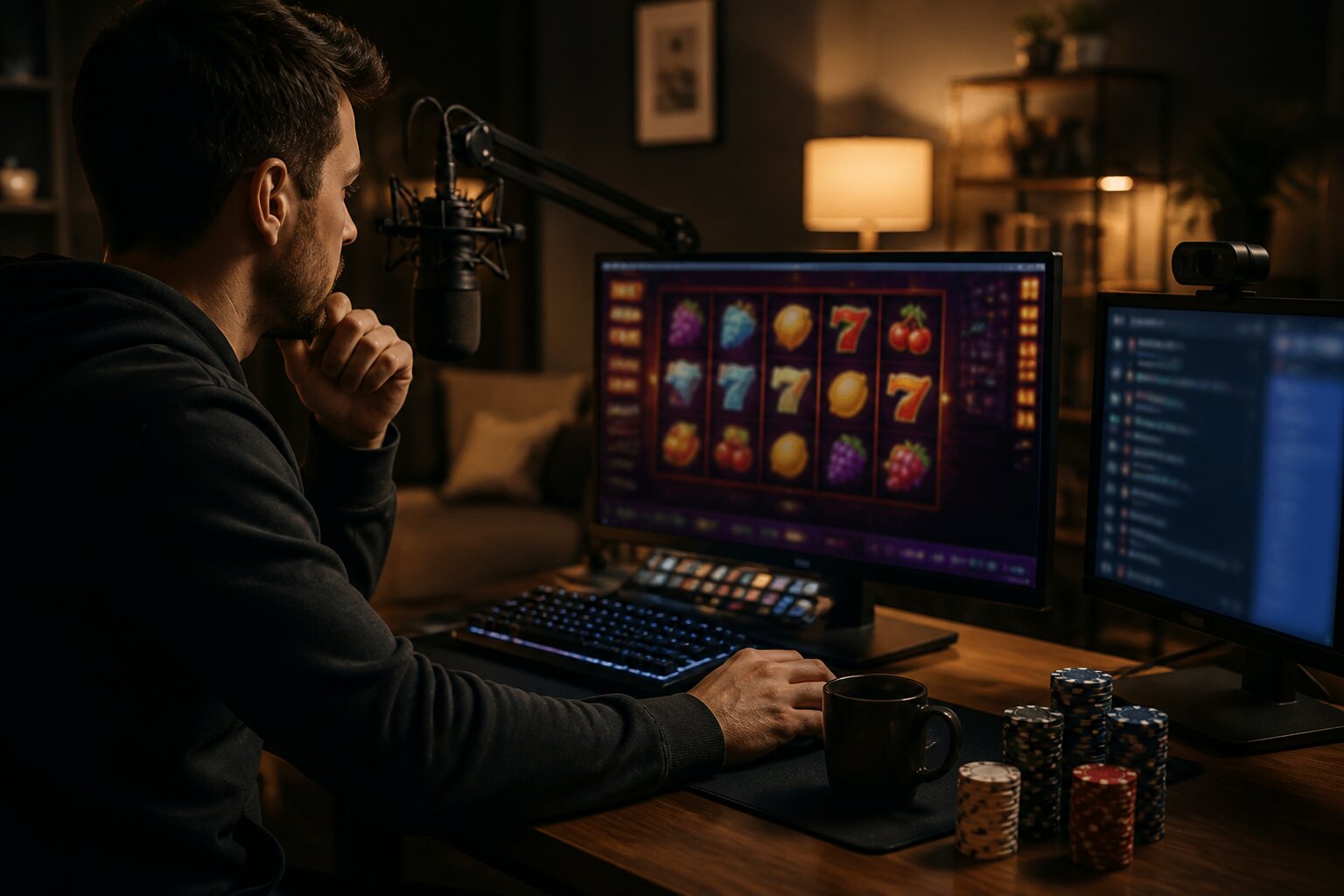
Ever wondered if the excitement you see on slot streaming channels is the real deal, or just smoke and mirrors? With massive wins, jaw-dropping bonuses and a lively atmosphere, it’s easy to get swept up. Behind the flashing lights and big reactions, though, there’s a mix of entertainment, real gambling and some practices that aren’t always obvious.
If you’ve found yourself questioning what really goes on behind the scenes, you’re not alone. The world of slot streaming can feel mysterious, and understanding how streamers operate helps you watch with clearer eyes.
Curious to uncover what’s happening when the reels start spinning? Keep reading — the answers are closer than they seem.
What Is a Slot Streamer?
A slot streamer is someone who plays online slot games live on platforms such as Twitch or YouTube, sharing every spin with their audience as it happens. Streams usually blend live gameplay with commentary, viewer chat and visible reactions to wins and losses, so the content feels immediate and interactive.
Some people tune in to learn about game mechanics or bonus features, others watch for the social aspect: it’s like sitting beside someone while they play and chat. The emphasis is on entertainment; even when a streamer discusses strategies or features, the objective is to inform and engage rather than to guarantee a particular outcome.
Streamers vary widely in style and purpose. A few focus on reviewing games and explaining volatility, RTP and bonus mechanics, while others emphasise showmanship and audience interaction. Knowing this helps you judge what a stream is actually offering — education, entertainment, or both.
Do Slot Streamers Actually Use Their Own Money?
Many streamers do use their own money, depositing cash into an account and placing bets from their personal balance. When that’s the case, wins and losses directly affect them, and their reactions often reflect real stakes.
But not all play uses personal funds. Some streamers play with credits supplied by casinos through sponsorships or show by using demo modes that replicate gameplay without any financial risk. Demo mode produces no real wins or losses, so it’s entirely different from live-money play.
Understanding where the funds come from matters because it changes the context of what you see. A real-money session carries financial risk and can shape behaviour, while a sponsored or demo playthrough might prioritise entertainment over authentic risk-management.
How Do Casino Sponsorships Work for Streamers?
Sponsorships take various forms: a casino might provide a streamer with bonus credits, matched funds or promotional features to use on camera, while affiliate arrangements often mean the streamer earns a commission when viewers sign up through a link. These partnerships can support a channel but also influence which brands and offers are shown.
That influence matters because streamers with commercial ties may present offers more favourably than an unaffiliated player would. Transparency is key: viewers should be told when content is sponsored or when the streamer will benefit from referrals, so they can judge the recommendation in context.
The regulatory framework requires clear disclosure of these relationships. Where promotions are involved, accuracy and honesty are essential to protect viewers and ensure that offers aren’t misleading.
If a streamer explains their funding source clearly, it helps you decide how much weight to give their claims or enthusiasm.
Can Viewers Trust Slot Streamer Wins?
Wins you see on stream can be genuine, especially during live broadcasts, but it’s important to interpret them carefully. Clips are often edited to highlight big moments, and streams may selectively show the most dramatic spins rather than a representative run of play.
Every spin on an online slot is an independent event and outcomes vary. What looks like a common pattern in a short highlight reel may be an outlier over a longer session. Because of that, a single session doesn’t provide reliable evidence of how a game performs for an average player.
Enjoy these moments for their entertainment value, but treat them as snapshots rather than a reliable guide to expected results. When streamers discuss volatility and RTP (return to player), those technical details are more useful than isolated win footage for understanding a game’s behaviour.
Is Fake Money Used by Some Streamers?
Yes — some streamers use demo mode or play with credits that don’t have real-world value. Demo mode allows full access to gameplay features without risking cash, so the psychological stakes are different: there’s no financial consequence to wins or losses.
Because demo play removes real risk, it can make betting patterns look bolder or less cautious than they would be with real money. Watching demo-mode play can therefore give a misleading impression of how often big wins occur or how a typical player behaves under pressure.
When a stream mixes demo and real-money play without clear signposting, viewers can be confused about which mode they’re watching. Clear on-screen indicators and verbal disclosures help avoid that confusion.
How Can You Spot Fake Slot Streams?
There are a few practical signs that indicate a stream might be using demo mode or non-cash funds. Look for on-screen labels such as “demo” or “play money” and watch whether betting behaviour appears detached from financial consequences—frequent very large bets with no sign of concern, for example.
Other clues include unusually large, static balances that don’t change in realistic ways, or a lack of emotional response to big wins or losses. While none of these signals proves anything on their own, together they can suggest the session isn’t standard real-money play.
Be cautious when a stream lacks clear disclosure. A transparent streamer will normally indicate their funding source early in the broadcast and make it straightforward for viewers to tell what’s happening.
Are There Regulations for Real Money Slot Streaming?
There are stringent rules covering gambling advertising and promotional content in the UK. When real money or promotional credits are involved, streamers and operators must make disclosures and avoid presenting offers in a misleading way. Promotions must not be directed at under-18s, and advertising should not exaggerate potential outcomes.
Complying with these rules helps protect viewers by ensuring transparency about sponsorships, incentives and the nature of the funds used on-screen. When you see clear, accurate disclosures and messaging about risks, that’s a sign the content is operating within regulatory expectations.
If a stream appears to ignore these standards, it raises questions about the protections available to viewers and whether the content is trustworthy.
The Impact of Fake Streamers on the Online Casino Industry
When streams misrepresent game play, they erode trust across the industry. Viewers exposed to edited clips or demo-mode wins may develop incorrect expectations about typical results, which harms both the reputation of honest streamers and the credibility of operators who act responsibly.
This reputational damage can make it harder for the industry to promote fair play and accurate information. Regulators and platforms respond to misleading content by tightening rules and enforcement, which can benefit the public by raising standards for all creators.
Good practice—clear disclosures, honest portrayal of play and adherence to advertising rules—helps rebuild trust and gives viewers reliable material to base their own decisions on.
What Should Viewers Know Before Watching Slot Streams?
Watching slot streams is primarily an entertainment experience and should be approached as such. Try to identify whether a session is real-money play, sponsored or demo mode, because that context changes the meaning of what you see.
Pay attention to technical details the streamer discusses—volatility, RTP and bonus mechanics are useful concepts for understanding how games behave. Also watch for clear disclosures about sponsorships and funding so you can judge recommendations fairly.
Set personal boundaries before you watch: know what you’re comfortable with and avoid copying high-risk behaviour portrayed on screen. If gambling stops being enjoyable or starts to affect your finances, support organisations such as BeGambleAware can provide confidential help and practical tools to regain control.
Conclusion: Are Slot Streamers Worth Watching?
Slot streams can be entertaining and sometimes informative, but they’re best enjoyed with a critical eye. Check whether the play is real money or demo mode, look for transparent disclosures about sponsorships, and focus on the technical explanations streamers give rather than isolated win footage.
If you choose to play after watching, use the safeguards available to you—deposit limits, reality checks and self-exclusion—to help keep play within the boundaries you set. When streamers operate openly and responsibly, their content can be a fun way to see games in action and learn about features, provided your wellbeing stays front and centre.
**The information provided in this blog is intended for educational purposes and should not be construed as betting advice or a guarantee of success. Always gamble responsibly.