
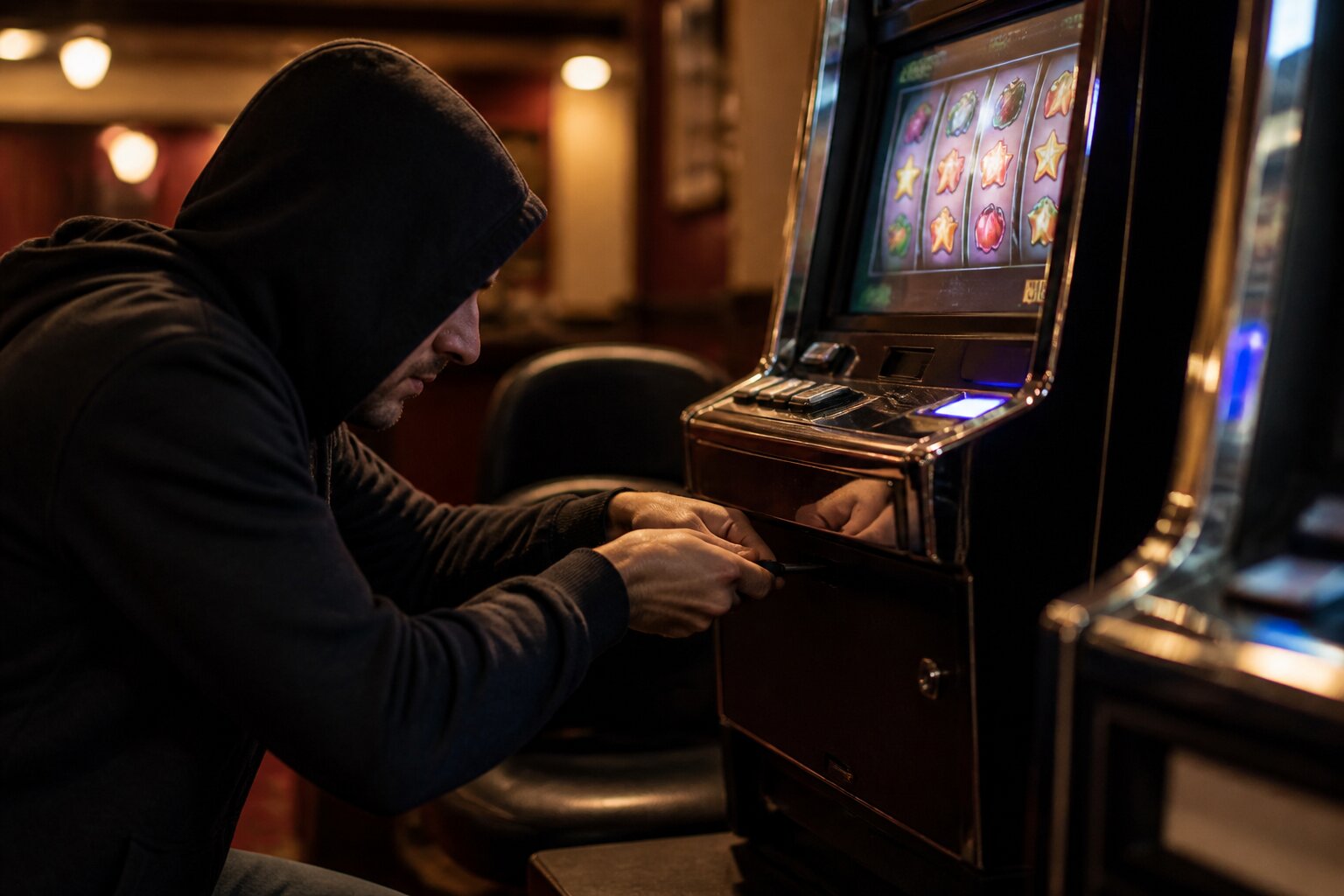
Ever wondered if there is a way to influence the reels on a slot machine? The “Monkey Paw” tool has circulated in gambling circles for years, sparking curiosity and caution in equal measure.
This article explains what the Monkey Paw tool is claimed to do, how it was used historically, and why it no longer poses a realistic threat to modern machines. Read on to separate fact from fiction and to understand the practical and legal consequences associated with such devices.
What Is the Slot Machine Monkey Paw Tool?
The Monkey Paw tool is a homemade implement that gained attention because it was said to interfere with early slot machines. It was never an official accessory and was not sanctioned by operators or regulators. Typically fashioned from bent metal wire, the device was designed to be pushed into narrow openings such as a coin slot or payout chute in order to reach internal parts.
Stories about the tool focus on mechanical manipulation rather than any electronic trickery. Because of this, the Monkey Paw is associated with fraud and criminal activity. Casinos and regulators treated it accordingly, and accounts of its use are usually discussed in the context of fraud prevention and security. The next section looks at how the device was intended to interact with machine internals, and why those interactions became harder to achieve over time.
How Does the Slot Machine Monkey Paw Tool Operate?
The Monkey Paw relied on the physical architecture of older, mechanically operated machines. Those early devices had visible moving parts and larger access points, so a suitably shaped piece of wire could sometimes reach and nudge internal levers or gears. By displacing a component at a particular moment, the tool could, in some cases, trigger a payout or otherwise disrupt normal operation.
As technology progressed, manufacturers replaced exposed mechanical parts with enclosed electronic systems, sensors and software control. Modern cabinets have smaller openings, tamper-evident seals and sensors that detect foreign objects or abnormal motion. Because the Monkey Paw depends on physical access and simple mechanical response, those protections make it ineffective against contemporary machines.
These historical mechanics help explain why discussion about the Monkey Paw centres on older incidents and security responses rather than current practice. The following section describes the features that defined the device when it did have an effect.
Core Features of the Monkey Paw Tool
When described in accounts, the Monkey Paw is notable for its straightforward, handmade construction. It was not sophisticated equipment; instead it used simple design choices to solve a specific problem. The most consistent elements were a hooked or paw-like end and sufficient length to reach past external fixtures into the machine cavity.
Materials were usually robust metal wire chosen for its ability to be bent into the required shape while remaining stiff enough to move internal parts. The hooked end could snag a lever or press against a component, and additional bends were sometimes added to match particular machine shapes. The aim was purely mechanical manipulation rather than any form of electronic or software interference.
Understanding these physical traits clarifies why the device belongs to an earlier era of slot machine fraud and why later sections will emphasise the legal and practical consequences of owning or using such a tool.
Physical Design & Materials
Descriptions of the tool emphasise a rough, utilitarian finish that reflected its improvised origins. Simple hand tools were enough to form the paw shape, and makers sometimes wrapped certain sections to prevent slipping or to provide a better grip. The overall form focused on reach and the ability to apply a precise nudge to an internal part without being seen.
Key Functional Components
Functionally, the Monkey Paw depended on three things working together: a shape that could pass through an opening, a reach long enough to contact a specific part, and sufficient stiffness to move that part. There were no electronic components, and success relied on exploiting narrow mechanical tolerances that older machines sometimes presented.
Distinguishing the Monkey Paw Tool from Other Slot Accessories
The Monkey Paw differs from legitimate accessories because its purpose was unauthorised interference. Approved accessories exist to help players or support operator systems, for example by managing loyalty data or printing tickets. The Monkey Paw, by contrast, was intended to alter machine behaviour for personal gain.
Other illicit devices from the past used different methods. Some tried to trick optical sensors with light, while others attempted to reclaim coins after insertion. The Monkey Paw stood out because it engaged directly with mechanical parts inside the casing. That distinction matters because it shaped the countermeasures manufacturers and venues introduced to prevent tampering and to protect fair play.
With that technical and historical context in place, the next section looks at the legal standing of possessing or using such a device.
Is Using a Monkey Paw Tool Legal?
Use or possession of a Monkey Paw tool is unlawful. The device is regarded as an instrument for fraud because it is intended to influence a gambling machine without authorisation. UK law criminalises cheating or attempting to cheat in the provision of gambling facilities, and enforcement treats such tools as evidence of intent to commit an offence.
Being found with one of these devices in a gambling venue can lead to arrest, prosecution and penalties that may include fines and custodial sentences. Operators and law enforcement work together to investigate tampering, and prosecutions have reinforced that illegal interference with machines carries serious consequences. The next section addresses common myths that still circulate despite these legal realities.
Common Myths & Misconceptions About the Tool
Many myths surround the Monkey Paw, often inflating its capabilities or suggesting it can be used undetected. One persistent misbelief is that such a device guarantees a payout. In truth, the device at best exploited specific mechanical faults in older machines and never offered a reliable method of winning. Another myth is that modern machines are vulnerable to the same tricks. Advances in design and monitoring have largely eliminated the mechanical weaknesses the Monkey Paw targeted.
There is also a misconception that possession is a minor issue if no tampering occurs. However, simply carrying an implement intended for use in fraud can lead to legal trouble and venue exclusion. Given these realities, discussions about the Monkey Paw are most useful when they inform prevention and awareness rather than glorify past exploits.
That leads naturally to a look at the risks someone faces if they handle or keep such a tool.
What Are the Potential Risks of Handling or Owning a Monkey Paw Tool?
Possessing or handling a Monkey Paw tool carries legal, personal and ethical risks. Legally, the tool is evidence of intent to commit fraud and can trigger criminal investigation. Personal consequences include being barred from gambling premises and suffering reputational harm that can influence future employment or leisure opportunities.
There is also an ethical dimension. Devices designed to cheat undermine the fairness of play and harm other participants. Venues and manufacturers have a duty to protect operations and customers, and they deploy security, surveillance and reporting procedures to deter and detect tampering. These protections mean the practical chance of successful use is extremely low, while the likelihood of detection and punishment is high.
With the risks clear, the final section summarises the Monkey Paw tool's place in slot machine culture and why it is regarded as a historical artefact rather than a current threat.
Conclusion: Understanding the Monkey Paw Tool's Place in Slot Machine Culture
The Monkey Paw is part of slot machine lore, a representation of attempts to exploit mechanical weaknesses in older gaming equipment. With machine design and regulation now focused on security, the tool belongs to history rather than present practice. Its story underlines why continuous improvements in equipment, venue procedures and legal frameworks are necessary to protect fair play.
Operators and regulators remain committed to lawful, secure gaming for adults aged 18 and over, and measures are in place to prevent tampering and fraud. The Monkey Paw therefore serves as a reminder of past vulnerabilities and of the ongoing responsibility to maintain integrity across the industry.
**The information provided in this blog is intended for educational purposes and should not be construed as betting advice or a guarantee of success. Always gamble responsibly.